A year ago I was standing in my kitchen staring at a 3-quart pot and genuinely asking myself whether this thing could feed four people on a Tuesday night. My husband Mark and I have two teenagers who eat like they are training for something, and our kitchen is about the size of a large walk-in closet. Counter space is not a luxury we have. So when I picked up the Instant Pot Duo Mini, I was not shopping for a gadget. I was shopping for a way to get a hot meal on the table in under 40 minutes without turning my kitchen into a mess and without giving up the counter real estate I need for actual food prep.
One year later, I have cooked somewhere north of 200 meals in this thing. Soups, stews, brown rice that actually comes out right, dried beans from scratch, chicken thighs that fall off the bone, and more cups of yogurt than I care to count. I know this cooker well enough now to tell you exactly what it does better than advertised, where it lets you down, and whether the 3-quart size is genuinely workable or just a compromise you will regret.
The Quick Verdict
The Instant Pot Duo Mini earns its counter space for small households and solo cooks, but families of four will hit its capacity ceiling on dense proteins and pasta dishes. For soups, grains, and beans it is nearly perfect.
Amazon Check Today's Price →Tired of managing four burners and a clock that never cooperates?
The Instant Pot Duo Mini is rated 4.7 stars across nearly 185,000 Amazon reviews. It consistently ranks as the top pick for apartment kitchens and small households for a reason. Check today's price and availability before the next size up sells out.
Amazon Check Today's Price on Amazon →How I Have Used It Over the Past 12 Months
I want to be specific here because I think most reviews skip this part. I am a full-time nurse working three 12-hour shifts per week. On my off days I am the one cooking. On my work days, my husband Mark handles dinner, and he is not a confident cook. So we needed an appliance that worked equally well for an experienced cook who wants to experiment and for someone who just needs a simple pot of rice to come out right without babysitting the stove.
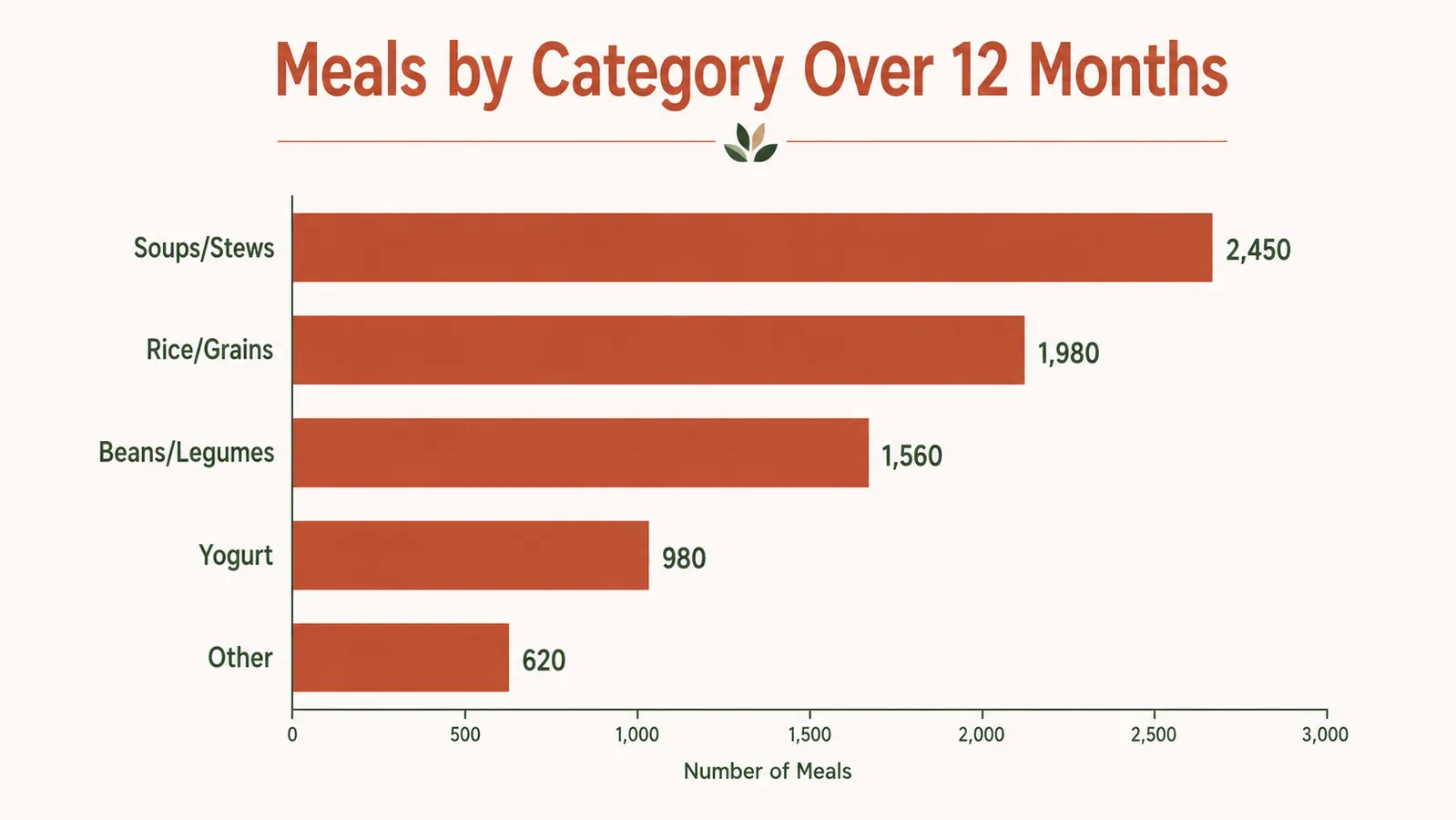
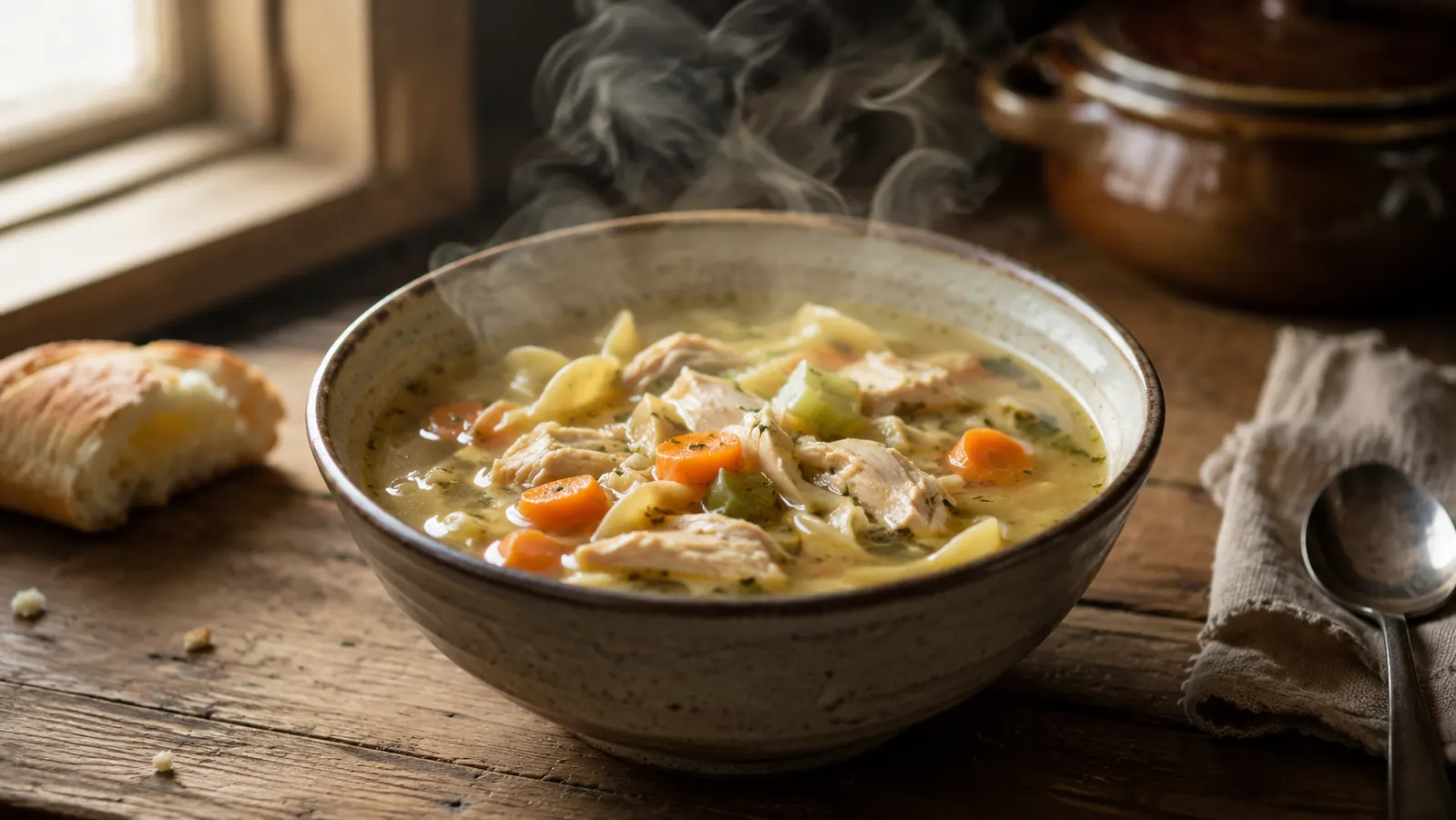
In a typical week, the Instant Pot Mini gets used four or five times. Monday is usually a big pot of soup or a bean-based stew that stretches into lunches. Wednesday is some form of grain, either brown rice or farro, as a base for whatever protein I thawed that morning. Friday nights tend to be chicken thighs in broth with root vegetables, pressure cooked in about 22 minutes from totally frozen. On weekends I make a batch of plain whole-milk yogurt that the kids eat through the week. That rotation has stayed almost exactly the same for 12 months, which tells you something: when an appliance fits your life, you stop thinking about it.
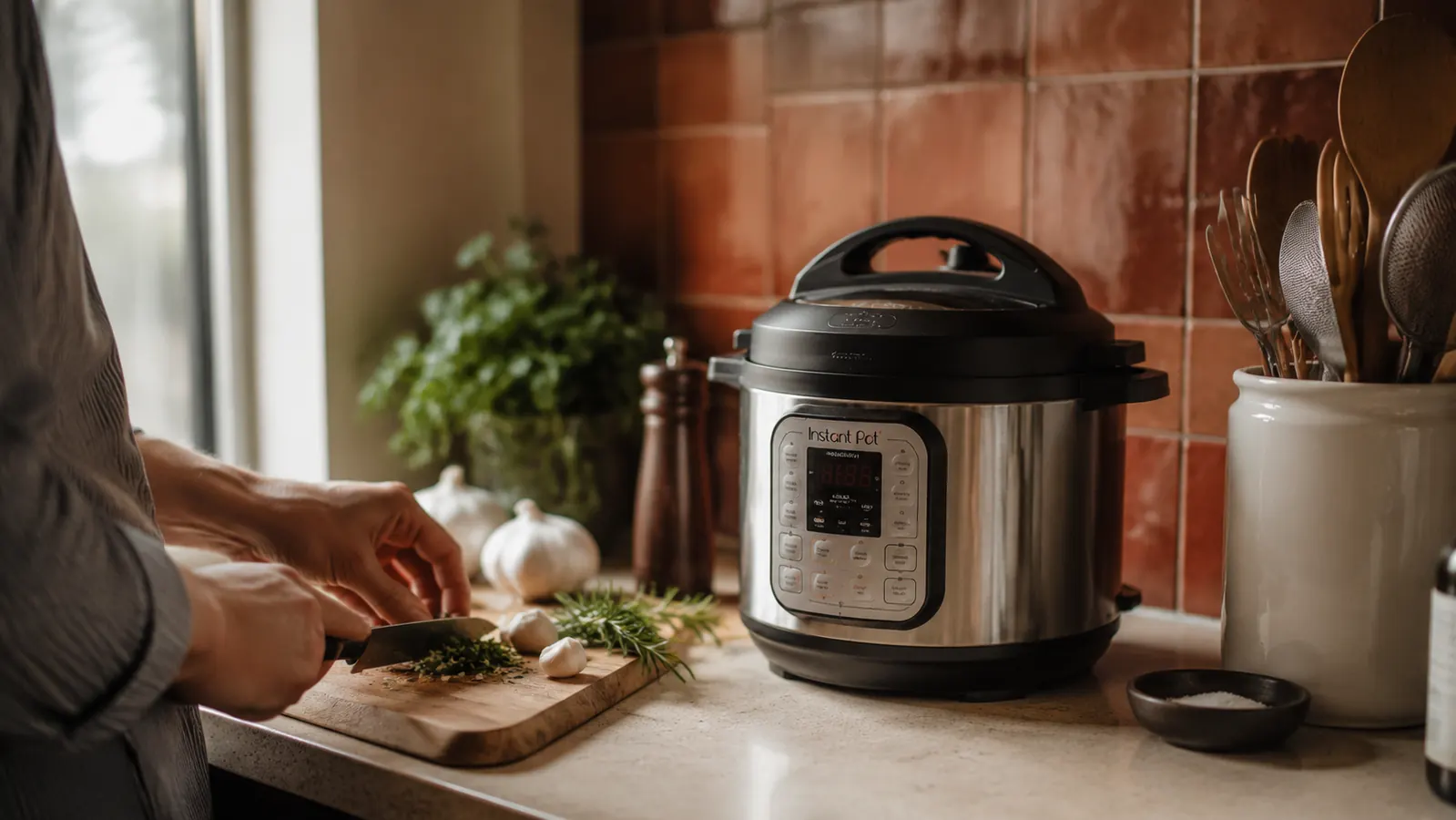
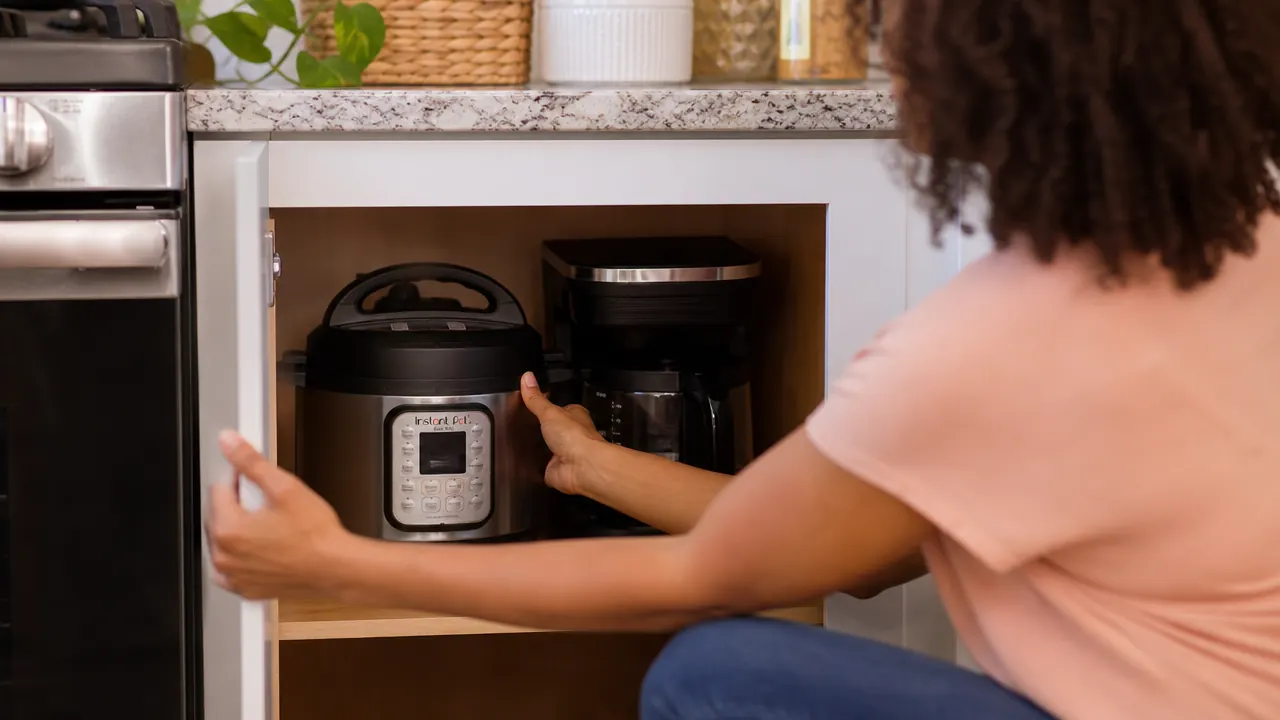
The machine lives on my counter full-time. Not in a cabinet. Not on a shelf. On the counter, next to the coffee maker, where it gets used before I have time to second-guess the meal plan.
The 3-Quart Size: What It Can Actually Handle
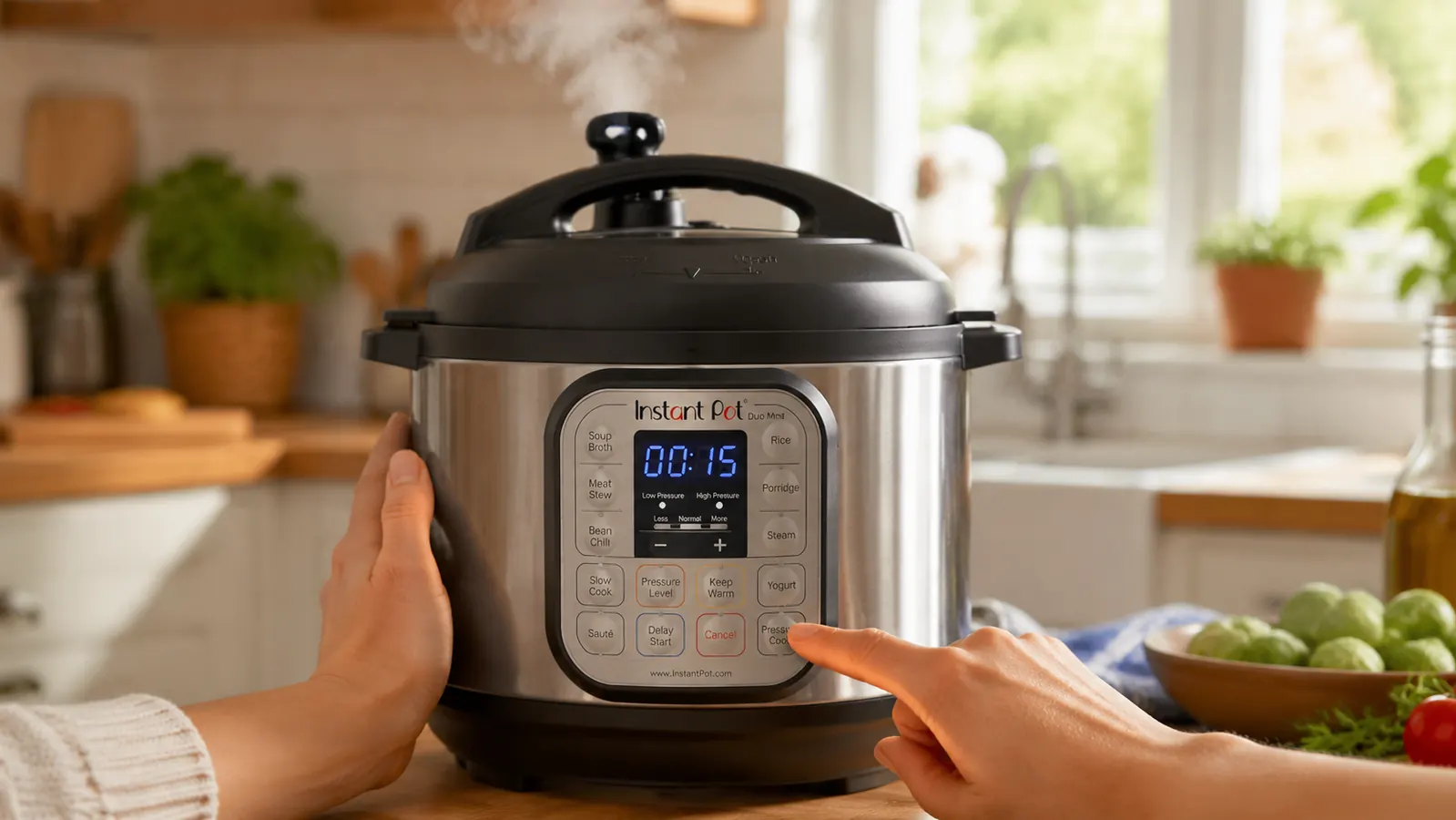
This is the question everyone asks, and the honest answer is more nuanced than the spec sheet suggests. Three quarts is the total pot capacity. Instant Pot's own rules say you should not fill a pressure cooker past two-thirds for most foods, and only half full for foods that expand or foam, like grains and beans. That means your working capacity for soups and stews is roughly 2 quarts, and for rice or lentils it is closer to 1.5 quarts.
For my family of four, that means I can make a generous pot of soup with enough left over for one or two lunches. I can cook 1.5 cups of dry rice, which yields about 3 cups cooked, enough for four small-to-medium servings. I cannot cook a whole chicken. I cannot make a full batch of chili big enough to freeze in bulk. And I cannot pressure cook a rack of ribs.
If you are cooking for one or two people, this machine is genuinely unlimited in its day-to-day usefulness. For a family of four, you will learn its ceiling within the first few weeks, and you will work around it, but the ceiling is real.
The 3-quart is not a compromise for one or two people. For a family of four, it's a workhorse with a ceiling you will learn to plan around.
Performance Deep Dive: Where It Shines and Where It Struggles
Pressure cooking is where this machine earns its money back fast. Dried chickpeas from scratch, no soaking, in 45 minutes. Frozen chicken thighs that come out tender and fully cooked in 22 minutes. Brown rice in 22 minutes versus 45 on the stovetop. These are not marketing claims. These are my actual cook times, logged in the notes app on my phone because I am the kind of person who does that.
Slow cooking is fine but unremarkable. I use it occasionally when I want to set something in the morning before a shift, but I do not think the Instant Pot slow cook function is better than a dedicated slow cooker. The yogurt function is legitimately great. You set it to yogurt mode, add your starter, leave it for 8 to 10 hours, and come back to actual yogurt. That function alone saves my family meaningful money each month in grocery store yogurt costs, which matters.
The saute function gets used constantly, probably more than any other mode outside of pressure cooking. I brown onions and garlic directly in the pot before pressure cooking, which means one less pan and a noticeably deeper flavor in soups and stews. It takes a bit longer to come to temperature than a dedicated skillet, and the bottom can develop hot spots if you are not stirring, but for building a braise or a soup base it is genuinely useful.
Where the machine does not shine: it is slow to come to pressure when the pot is full and cold. On a busy weeknight, that 10 to 15 minute pressure-building window plus the cook time plus the natural pressure release can mean 45 to 50 minutes total for something I was hoping to get on the table in 30. If you factor that in on the front end, it is fine. If you set it expecting it to behave like a microwave, you will be frustrated.
Cleanup and Counter Footprint After a Year
The stainless steel inner pot is the best thing about the cleanup situation. It goes in the dishwasher, comes out clean, and after 12 months of use it still does not have any warping or discoloration. I run it through the dishwasher about four times a week. The sealing ring, the lid, and the steam release valve all come off for cleaning, and you genuinely do need to clean the sealing ring after anything with garlic or strong spices because the silicone holds odors. I have a second sealing ring that I use specifically for the yogurt and for any sweet preparations, because I do not want my yogurt tasting like last Tuesday's chicken soup.
The footprint on my counter is a 10-inch diameter circle, roughly the same as a standard dinner plate. The height with the lid on is just over 12 inches. It fits under my upper cabinets without touching them, which was not guaranteed and was something I measured before buying. If you have low upper cabinets, measure first.
After a year, the exterior shows no rust, no discoloration, and no wear on the control panel. The display is still crisp and readable. The power cord is braided and has held up without any fraying. For something that gets used this heavily, the build quality has been better than I expected at this price point.
What I Liked
- Pressure cook times are genuinely as fast as advertised, sometimes faster
- Stainless inner pot handles daily dishwasher use with no wear after 12 months
- Saute function replaces a prep pan for onions, garlic, and browning
- Yogurt function works reliably and saves real money over store-bought
- Compact footprint fits under standard upper cabinets
- 7 functions in one unit reduces the number of single-use appliances on the counter
- Nearly 185,000 Amazon reviews at 4.7 stars speaks to long-term reliability across real households
Where It Falls Short
- Working capacity for expanding foods is closer to 1.5 quarts, not the full 3 quarts listed
- Time to reach pressure on a cold, full pot can be 12 to 15 minutes, which adds up on weeknights
- Sealing ring retains food odors and needs a second ring for dairy or sweet preparations
- Slow cook function is mediocre compared to a dedicated slow cooker
- The steam release valve can spit liquid if the pot is overfilled, which stains counters and cabinets
Alternatives I Considered Before Buying
I looked seriously at the 6-quart Instant Pot Duo before landing on the Mini. The 6-quart is cheaper on a per-ounce basis and gives you significantly more flexibility with larger batches. But the footprint is bigger, the weight is noticeably heavier when moving it to clean the counter, and for my kitchen, that extra capacity mostly would have meant extra air inside the pot. If you are regularly cooking for more than four people or you like to batch-cook and freeze, the 6-quart is probably the smarter buy. If you have the counter space of a studio apartment and you cook for one to three people consistently, the Mini fits your life better.
I also looked at the Ninja Foodi, which adds an air fryer lid on top. The combo is appealing in theory, but in my kitchen I already have a small air fryer, and the Ninja is both taller and wider than the Instant Pot Mini. I did not want to trade two footprints for one bigger footprint. If you have no air fryer yet and want a single machine, the Ninja is worth considering. For my setup, the Instant Pot Mini made more sense.
Who This Is For
This machine is built for anyone cooking in a small space who wants to replace a stockpot, a rice cooker, a slow cooker, and a yogurt maker with one appliance that takes up less room than any of them did individually. If you are a single person or a couple, the 3-quart handles everything you need with room to spare. If you are a family of three or four, it works for most meals but you will plan around its size rather than ignoring it. If you regularly cook for five or more people, look at the 6-quart instead. The capacity difference is real and matters for full family dinners.
It is also a strong fit if you meal prep on weekends for the week ahead. The pressure cooking speed makes beans and grains practical in a way that stovetop cooking never quite did for me. Cooking a pound of dried chickpeas on the stovetop takes the better part of an afternoon. In the Instant Pot Mini it takes about an hour from dry to done, including the time to come to pressure. That is the kind of thing that changes what you actually cook during the week.
Who Should Skip It
If you cook for five or more people regularly, the 3-quart will frustrate you on a nightly basis. Get the 6-quart and accept the larger footprint. If you are the kind of cook who likes to make a giant pot of something and freeze half of it for next month, same answer. The Mini is an everyday workhorse, not a batch cooker.
If you already have a rice cooker and a slow cooker you love, and you just want a pressure cooker, this is still a solid choice but you will only be using two of its seven functions. At that point, comparing it against a basic pressure cooker on price might make more sense. And if you are not the kind of person who will actually read the manual and learn the pressure release methods in the first week, the learning curve on pressure cooking can feel steep. It is not a plug-in-and-forget appliance the way a drip coffee maker is.
One pot for soups, grains, beans, and yogurt, and it fits where a dinner plate sits.
The Instant Pot Duo Mini 3-Qt is the most reviewed compact multi-cooker on Amazon for a reason. After a full year of daily use in a real apartment kitchen, I still reach for it four or five times a week. See today's price before it changes.
Amazon Check Today's Price on Amazon →